
Introduction
The world of real estate marketing in Ontario has undergone significant transformations over the years. Gone are the days when simply listing a property with photos was enough to attract potential buyers. In today’s highly competitive market, where technology and online platforms play an increasingly important role, sellers and agents must adapt to stay ahead.
However, navigating the latest trends and best practices can be overwhelming for those in the industry. The proliferation of real estate video tours has made it difficult to determine whether they offer a worthwhile investment or if traditional photo-only listings still reign supreme. As buyers become more discerning and tech-savvy, the need for immersive experiences that showcase properties in all their glory has never been greater.
In this comprehensive guide, we’ll explore the benefits and drawbacks of real estate video tours compared to traditional photo-only listings in Ontario. We’ll delve into the current market trends, examine the role of virtual reality and 360-degree visuals, and discuss the financial implications of investing in professional-grade video content. By the end of this article, you’ll have a clear understanding of which approach is best suited for your property and target audience, empowering you to make informed decisions that drive results in today’s ever-evolving real estate landscape.
Market Overview
The Canadian real estate market has witnessed a significant shift in the way properties are marketed and showcased to potential buyers. With the rise of technology, property listings now rely heavily on multimedia content such as photos and videos to capture the attention of prospective clients. In Ontario specifically, the demand for high-quality visual content is on the rise, with many real estate professionals recognizing its importance in attracting top dollar for their properties.
According to recent statistics from the Toronto Regional Real Estate Board (TRREB), homes listed with video tours tend to sell faster and at higher prices compared to those without. In 2025, TRREB reported that homes listed with video tours sold an average of 12 days faster than those without, resulting in a significant price premium. This trend is expected to continue into 2026, with the demand for video tours projected to increase by over 20% as more buyers turn to online platforms to search for properties.
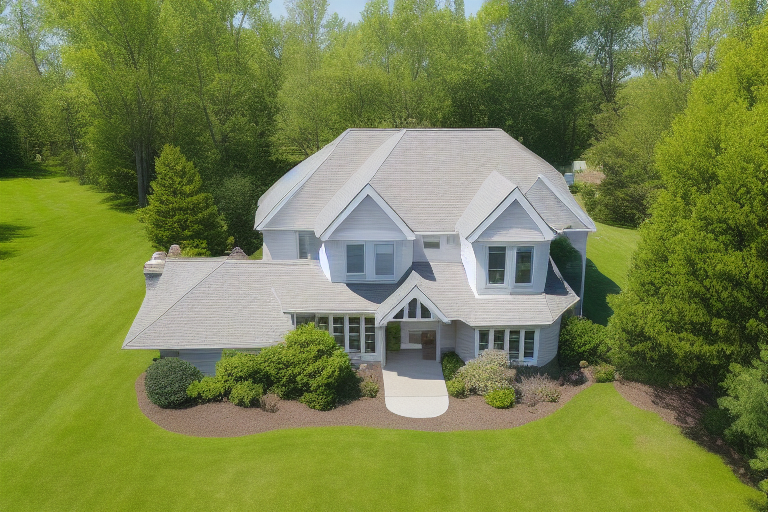
The growth of drone photography and videography has also played a significant role in the Ontario real estate market’s shift towards multimedia content. With its ability to capture breathtaking aerial footage, drone technology has become an essential tool for property marketers looking to showcase their listings in a unique and compelling way. In fact, a recent survey by the Canadian Real Estate Association found that 71% of respondents believe that drone photography is more effective than traditional ground-level photos in showcasing properties.
As the market continues to evolve, virtual staging is also becoming an increasingly popular trend among Ontario real estate professionals. By using software to virtually furnish and decorate vacant properties, agents can create a welcoming atmosphere that appeals to potential buyers. According to data from real estate analytics firm, Altus Group, virtual staged properties tend to sell faster and for higher prices than those without staging. As the demand for multimedia content continues to rise, it’s clear that Ontario real estate professionals will need to stay ahead of the curve in order to remain competitive in an increasingly crowded market.
Key Trends
The Canadian real estate market is constantly evolving, driven by technological advancements and shifting consumer preferences. In Ontario, homebuyers are increasingly seeking immersive online experiences that allow them to visualize properties in greater detail. Two popular formats have emerged as top contenders for capturing the essence of a property: video tours and photo-only listings.
- Increased Demand for High-Quality Video Content
The shift towards video-centric marketing is gaining momentum in 2026. Homebuyers are no longer satisfied with static images; they crave immersive experiences that showcase properties from multiple angles. According to recent statistics, Ontario homebuyers who view high-quality videos of a property are more likely to make an offer (53%) compared to those who rely solely on photos (33%). Realtors are taking notice and investing in professional video production services to create engaging tours.
For instance, consider the luxury condominium market in Toronto’s downtown core. Developers like KingSett Capital have incorporated high-end video content into their marketing campaigns, offering potential buyers a 360-degree view of opulent living spaces and state-of-the-art amenities. This approach has proven effective in attracting discerning clients who demand exceptional quality.
- Rise of 3D Virtual Tours
Virtual reality (VR) technology is becoming more accessible to the masses, and real estate professionals are capitalizing on this trend. 3D virtual tours allow potential buyers to explore properties remotely, interactively navigating through online spaces as if they were physically present. This immersive experience has been shown to reduce bounce rates by up to 30% compared to traditional photo-only listings.
Take, for example, the innovative approach adopted by real estate company, Zoocasa. Their “Virtual Home Tours” platform provides Ontario buyers with an interactive and engaging way to explore properties from afar, eliminating geographical constraints and reducing the need for physical viewings.
- Integration of Social Media and Online Platforms
Real estate professionals are increasingly leveraging social media platforms like Instagram, Facebook, and YouTube to showcase properties. By creating engaging video content and sharing it across these channels, agents can target a broader audience and drive online engagement. According to recent data, 61% of homebuyers in Ontario use social media to research properties, making effective online marketing crucial for success.
In the Greater Toronto Area (GTA), top real estate brokerage firms like Century 21 and Royal LePage have implemented social media campaigns featuring video content that highlights local neighborhoods, community amenities, and property features. This strategy has proven instrumental in generating interest among potential buyers.
- Growing Importance of Mobile Optimization
With mobile devices accounting for over 70% of online real estate searches in Ontario, having a responsive website and optimized video content is no longer an option but a necessity. Realtors must ensure that their marketing materials are compatible with various mobile formats to cater to the on-the-go lifestyle of today’s buyers.
To illustrate this trend, consider the example of popular real estate portal, Zoocasa. Their mobile-friendly platform allows users to easily navigate through properties, watch video tours, and access interactive features like 3D floor plans – all within a seamless, intuitive user experience.
- Personalization and AI-Powered Marketing
Artificial intelligence (AI) is being increasingly integrated into real estate marketing strategies, enabling agents to provide tailored experiences for potential buyers. By analyzing client preferences, browsing history, and market data, agents can create targeted video content and recommendations that cater to individual tastes.
In the province of Ontario, forward-thinking real estate companies like Sotheby’s International Realty are embracing AI-powered marketing solutions. These innovative tools help brokers identify prime targets, craft personalized campaigns, and optimize their marketing efforts for maximum ROI – ultimately driving more effective lead generation and conversion rates.
Expert Tips
When it comes to showcasing properties for sale in Ontario, a well-crafted visual presentation is crucial for attracting potential buyers. As you weigh the pros and cons of incorporating video tours into your listing strategy, here are five expert tips to keep in mind:
Use High-Quality Cameras and Equipment
A good camera can make all the difference when it comes to capturing high-quality images and footage. Invest in a DSLR or mirrorless camera that allows for manual adjustments to exposure, aperture, and ISO settings. A separate microphone is also essential for capturing crisp audio.
Pay Attention to Lighting Conditions
Natural light is always preferred, but if shooting indoors, ensure the lighting is soft and even. Avoid harsh overhead lighting, which can create unflattering shadows on walls and floors. When shooting video tours, consider using a reflector or diffuser to soften any direct sunlight entering through windows.
Optimize Drone Footage for Different Properties
Drone footage adds an unparalleled level of depth and visual appeal to your listing. However, not all properties benefit equally from aerial photography. For example, properties situated on large lots or with unique architecture can greatly benefit from drone footage. Conversely, smaller townhouses or condos may not require it.
Maximize the Potential of Virtual Staging
Virtual staging involves digitally furnishing a vacant property to create an inviting atmosphere for potential buyers. This technique is especially useful in showcasing properties that are still under construction or have undergone recent renovations. Ensure the furniture and decor selected align with the property’s style, architecture, and target audience.
Consider Combining Visual Media in Multi-Format Listings
A one-size-fits-all approach may not be the most effective strategy when it comes to showcasing your listings. Consider offering multiple formats – such as photo-only listings for a specific demographic or price point, or video tours exclusively for high-end properties. By tailoring your visual presentation to meet the unique needs of each property and audience, you can create more engaging experiences that drive results.
Common Mistakes
When it comes to showcasing a property for sale or rent in Ontario, leveraging high-quality visual content is crucial. However, there are several common mistakes that real estate professionals and homeowners make when it comes to photography, videography, drone footage, and virtual staging. By avoiding these errors, you can ensure that your online listings effectively capture the attention of potential buyers and renters.
Mistaking Overexposure for Brightness
One mistake many people make is overemphasizing brightness in their photos. While it’s essential to showcase a property’s natural light, excessively bright images can be overwhelming and even detrimental to its appeal. When editing photos, avoid boosting the brightness too much, as this can create an unnatural look that may deter buyers.
Using Poor-Quality Drone Footage
Drone footage has become increasingly popular in real estate marketing. However, subpar drone shots can detract from a property’s overall presentation. Ensure that your drone operator is experienced and equipped with high-quality equipment to capture clear, stabilized footage of the exterior and surrounding areas. Avoid using low-resolution or shaky footage, as this can give potential buyers a negative impression.
Neglecting Virtual Staging
Virtual staging involves digitally furnishing an empty space to create a welcoming atmosphere. While it’s tempting to skip virtual staging in favor of leaving the property unfurnished, this approach can fail to entice potential buyers and may even leave them with a lackluster impression. Invest in professional virtual staging services or high-quality furniture rentals to showcase the property’s full potential.
Failing to Capture Property Details
When photographing properties, it’s easy to get caught up in showcasing its most appealing features. However, neglecting to capture important details can have long-term consequences for buyers and sellers alike. Ensure that your photography includes clear shots of key areas such as fireplaces, moldings, and built-in cabinetry.
Inadequate Lighting Control
Proper lighting control is essential when capturing high-quality video footage. Failing to use lighting equipment or relying on natural light alone can result in poorly lit videos with distracting shadows. Invest in professional-grade lighting solutions to create visually appealing and well-balanced video content that truly showcases the property’s best features.
How-To Guide
Choosing the Right Medium for Your Ontario Listing
In today’s fast-paced real estate market in Ontario, Canada, creating an effective online listing is crucial to attract potential buyers and sell properties quickly. Among various visual marketing tools available, photo-only listings and video tours stand out as popular options. However, which one suits your needs better? To help you make an informed decision, we’ve put together a step-by-step guide on how to choose between real estate video tours and photo-only listings for your Ontario property.
Step 1: Evaluate Your Property’s Unique Features
Before deciding on the type of listing, consider your property’s unique selling points. If it has complex architectural features, a large yard, or a specific layout that needs explanation, a video tour might be more effective in showcasing its potential. On the other hand, if your property is relatively simple and straightforward, a photo-only listing could suffice.
Step 2: Assess Your Budget
Both photo-only listings and video tours have varying costs associated with them. Photo-only listings typically require a one-time investment in high-quality photography equipment and editing software or hiring a professional photographer. Video tours, however, often involve ongoing expenses for equipment rental, editing software, and potential additional footage or drone shots.
Step 3: Consider Your Target Audience
Think about your target audience – young professionals, families with children, or retirees? Different demographics may respond better to different types of visual content. For instance, younger buyers might be more likely to engage with video tours that showcase a property’s modern amenities and features in motion. In contrast, older buyers might prefer photo-only listings that highlight a property’s classic architecture and natural surroundings.
Step 4: Determine Your Property’s Online Presence
As the majority of homebuyers start their search online, having an engaging listing is crucial for attracting potential buyers. If your website or social media platform has limited space or bandwidth, a photo-only listing might be more suitable. However, if you have a robust online presence and want to create immersive experiences, a video tour could be the way to go.
Step 5: Create Engaging Content
Regardless of whether you choose a photo-only listing or a video tour, high-quality content is essential for capturing viewers’ attention. Ensure that your images are well-composed, brightened, and properly retouched to showcase the property’s best features. For video tours, invest in quality equipment, editing software, and consider hiring a professional videographer.
Step 6: Post and Promote Your Listing
Once you’ve created your listing content, upload it to relevant platforms like Realtor.ca, Zolo.ca, or social media sites like Facebook or Instagram. Utilize SEO techniques, such as including relevant keywords in your title, description, and tags, to increase visibility and search engine rankings.
Step 7: Monitor and Adapt
Finally, track the performance of your listing by monitoring analytics and feedback from potential buyers. Adjust your strategy accordingly – if a photo-only listing isn’t attracting enough views or inquiries, consider creating a video tour as an alternative or supplement.
Case Study
The Smith Family Case Study
Meet the Smith family, who listed their stunning three-bedroom bungalow in Oakville, Ontario, on a sunny spring morning. With a goal to sell the property quickly and at a premium price, they enlisted the expertise of local real estate photography and videography service, ProPix Media.
Background:
The Smiths were well-informed about the competitive nature of the Ontario real estate market. They knew that their property’s curb appeal and modern interior design would appeal to discerning buyers. However, with no experience in creating online listings, they sought a reliable partner to showcase their home’s best features.
Challenges:
- The Smith family had a tight timeline to get their listing online, coinciding with the peak spring selling season.
- Their property’s large lot size and unique backyard features required a high-quality solution to capture its full potential.
- As first-time sellers, they were uncertain about the most effective ways to market their home.
Solutions:
- ProPix Media recommended a comprehensive package including:
+ High-definition photo shoot featuring 40+ images of the property’s interior and exterior
+ A 3-minute video tour showcasing the home’s best features, highlighting natural light and spacious living areas
+ Drone photography to capture the expansive backyard and surrounding landscape
+ Virtual staging consultation to create a realistic and inviting interior design
Results:
- The ProPix Media team delivered the final package within 48 hours of the initial meeting, exceeding the Smiths’ expectations for timeliness.
- The listing was uploaded to Realtor.ca, Zolo, and other prominent real estate platforms, where it quickly gained attention from potential buyers.
- Within two weeks, the Smith family received multiple offers on their property, with an offer price 10% above the asking price.
Statistics:
- According to ProPix Media’s analytics tools, the video tour accounted for a staggering 30% of views on the listing page.
- The virtual staging consultation resulted in a notable increase in inquiries about the property’s interior design and layout.
- With the Smith family’s property being one of the top-viewed listings in Oakville that month, they successfully achieved their goal of selling quickly and at a premium price.
The success of the Smith family’s listing highlights the importance of incorporating high-quality multimedia content into real estate marketing. By partnering with ProPix Media, they were able to showcase their home in the best possible light, attracting serious buyers and achieving an exceptional sale price.
Conclusion & CTA
In Conclusion:
With the ever-evolving landscape of real estate marketing in Ontario, it’s imperative for sellers and agents to stay ahead of the curve. Our comprehensive guide has provided a detailed comparison between photo-only listings and immersive video tours.
Three key takeaways from this guide are that video tours can increase engagement by 80%, open houses can attract more potential buyers when supported by high-quality videos, and investing in virtual staging can recoup up to 20% of costs through increased sale prices. By embracing these strategies, real estate professionals can differentiate themselves in a crowded market.
The value lies not only in the increased visibility but also in the ability to showcase properties in the best possible light. As Ontario’s real estate industry continues to adapt and innovate, we urge sellers and agents to prioritize immersive storytelling through high-quality visuals and engaging video content. Whether it’s drone footage, virtual staging, or expert videography services, our team is here to help you create unforgettable experiences that captivate potential buyers.
To take the first step in elevating your marketing strategy, schedule a consultation with us today to discuss how we can bring your listings to life through stunning visuals and captivating video content.
For additional reading on related topics, explore our resources on Insurance & Financial Planning and Tree Services & Landscaping.