
Toronto real estate photography is now a core part of how listings are presented across the GTA. In 2026, the teams getting the best response rates are the ones using a clear production workflow, consistent image quality, and fast delivery from shoot day to final gallery.
For agents and brokerages, Toronto real estate photography is not just a photo session. It is a repeatable process that starts with prep, continues through capture and editing, and ends with a polished listing package that buyers can evaluate quickly.
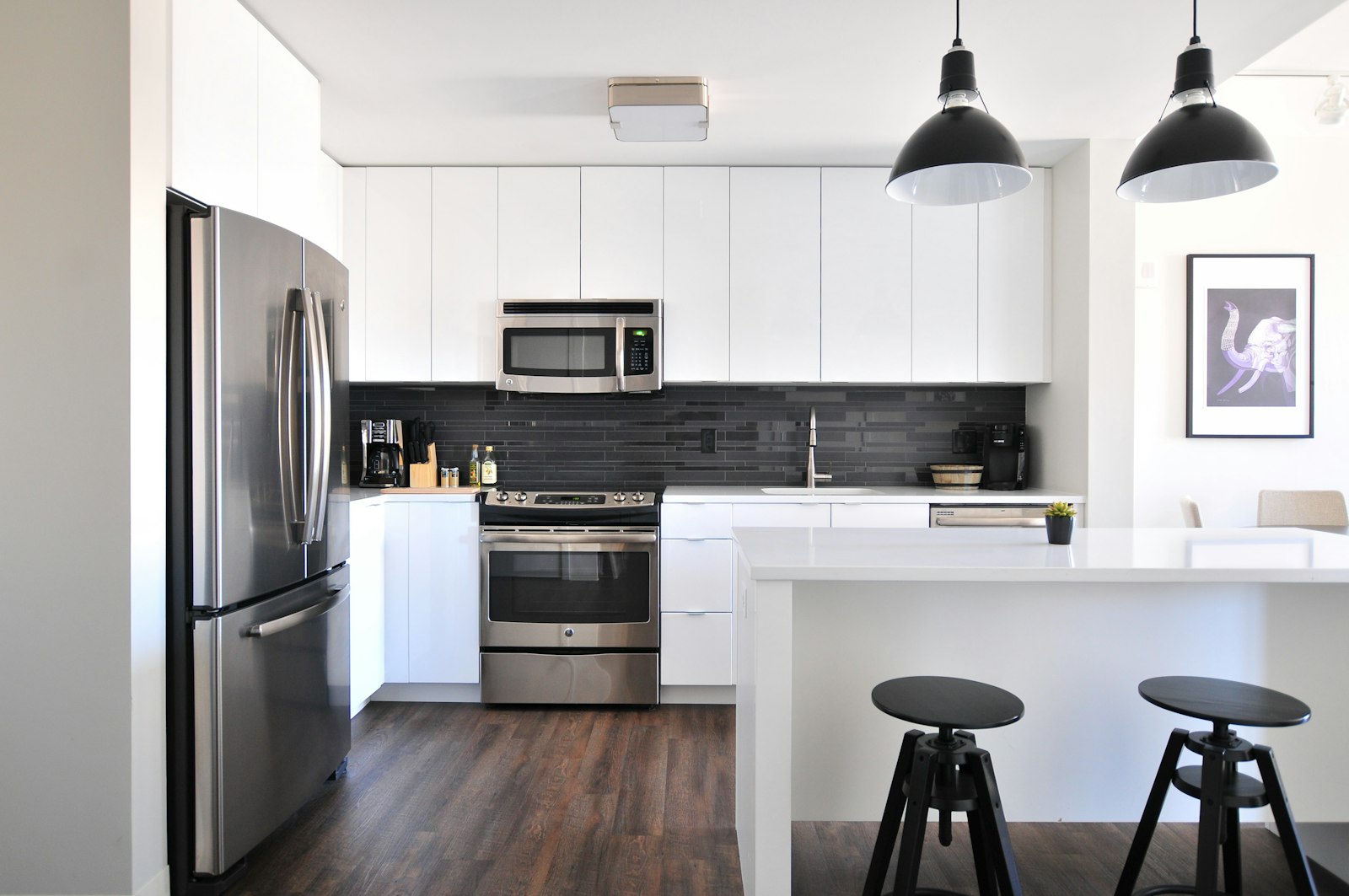
Toronto Real Estate Photography Standards in 2026
Buyer expectations have increased. Most buyers now compare multiple listings in minutes, so visual consistency matters. Toronto real estate photography should deliver clean composition, balanced vertical lines, controlled highlights, and room-to-room story flow. If any of those break, perceived listing quality drops.
Professional teams should standardize lens usage, camera height, and editing presets by property type. This keeps visual output consistent across condos, detached homes, and luxury rentals.
7-Step Photography Workflow for Real Estate Media Teams
- Pre-shoot readiness check: confirm staging, decluttering, access, and lighting prep before arrival.
- Property-specific shot plan: prioritize features that matter for the target buyer profile.
- Capture sequence discipline: establish wide room context first, then detail images that support decision making.
- Natural light timing: schedule key captures around window direction and exterior conditions.
- Edit consistency: apply stable color, perspective correction, and exposure standards.
- Delivery format quality: provide web-ready and high-resolution sets with logical file organization.
- Weekly review: compare listing response and showing feedback to improve the next shoot cycle.
Toronto Neighborhood Photography Angles That Matter
Neighborhood context changes how scenes should be framed. Downtown condos often benefit from layout clarity, view angles, and amenity framing. Detached homes in North York or Etobicoke often need stronger emphasis on lot use, family zones, and outdoor transitions.
Toronto real estate photography teams that pre-map neighborhood priorities can reduce revision rounds and deliver faster approval from agents.
Operational Checklist for Weekly Publishing
- Capture 25 to 40 final images per listing with one consistent style profile.
- Create web-optimized derivatives for fast loading and smooth mobile viewing.
- Publish one local article tied to actual listing conditions and buyer questions.
- Include a clear next action for sellers and agents.
- Run a final quality pass before publishing.
Common Workflow Mistakes Real Estate Teams Still Make
The most common mistake is inconsistency between shoots. If framing, color profile, and edit style vary too much, brand quality becomes unclear. Another issue is delayed staging decisions that force rushed captures and weaker compositions.
A short debrief after each project helps identify bottlenecks and improve the next cycle. This single habit can improve delivery speed and output consistency over time.
FAQ: Toronto Real Estate Photography
How many images should be included on a listing page?
There is no fixed count, but strong listings usually include enough images to explain layout, condition, and lifestyle fit without visual repetition.
Should every listing use the same gallery structure?
A shared structure improves consistency, but each property still needs custom emphasis based on type, neighborhood, and likely buyer needs.
How often should teams publish updated listing media content?
A weekly cadence is practical for most brokerages. Consistent publishing usually performs better than occasional bursts.
Conclusion
Toronto real estate photography works best when teams treat it as an operating system: plan well, capture consistently, edit cleanly, and deliver quickly. For service details and booking support, visit https://www.clickmediapro.ca. For local market context, teams can also monitor updates from TRREB.